


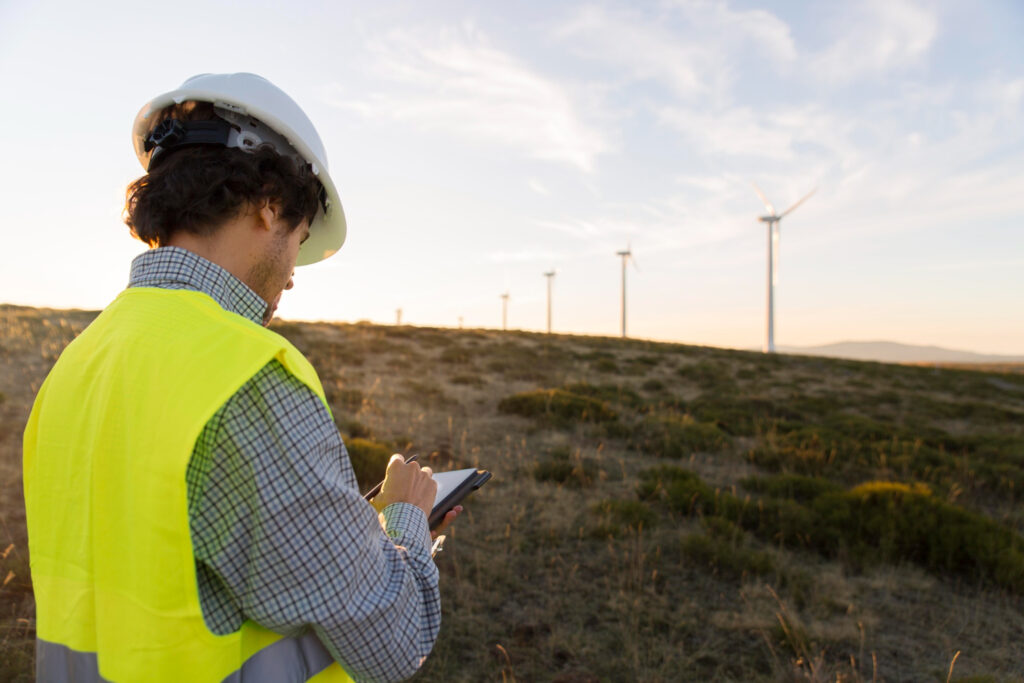
Environmental monitoring isn’t a new concept, but it’s become way more important for businesses trying to meet standards and keep things under control. Whether it’s about cutting down waste, checking air quality, or watching how energy gets used, the process helps businesses see how they affect their surroundings. It gives companies the tools to notice problems before they snowball and highlights which areas of their work could use improvement.
For businesses looking to meet ISO 14001 in NZ, environmental monitoring plays a big part. This international standard proves that a company is actively managing its environmental impact. In New Zealand, where protecting the natural environment is a priority, being ISO 14001 certified shows that a business is committed to doing its part. But reaching this certification doesn’t just happen overnight. It starts with good systems, the right information, and a clear plan for ongoing improvement.
Components Of Environmental Monitoring Under ISO 14001
Understanding what environmental monitoring involves can help businesses create systems that actually work. ISO 14001 asks businesses to understand how their operations affect the environment and to develop ways to keep track of those impacts.
Here’s what needs attention:
– Identifying environmental aspects and impacts
Start by listing out all the ways your business interacts with the environment. This could include water and energy use, emissions, production waste, and chemical handling. Once these touchpoints are identified, the next step is to assess the possible impacts. For example, a packaging company may rely heavily on plastic, which could lead to issues like increased waste and higher emissions.
– Setting and measuring clear objectives
After figuring out which activities impact the environment, it’s time to come up with goals. These goals should make sense for your business, be easy to measure, and be realistic. For instance, a mid-sized factory could aim to reduce its electricity use by a certain amount over a set period. Having clear goals makes monitoring more meaningful because you’re tracking towards a known outcome.
– Ongoing tracking and improvement
Environmental management isn’t a one-time job. ISO 14001 pushes for consistent monitoring and adapting. If something’s not working, fix it. If it is working, find a way to build on the success. This kind of continuous loop — track, analyse, improve — is the foundation of good monitoring. Regular check-ins, team feedback, and updates to goals all help support this process.
It’s not about being flawless. It’s about building a mindset of noticing issues early, acting on them, and finding small wins that add up to better results.
Tools And Techniques For Effective Environmental Monitoring
If your tracking process doesn’t have the right setup, it can all fall apart. Good tools and correct data collection are key. When various departments are monitoring different things, digital platforms help keep everything in one spot. At first, spreadsheets might be enough, but moving to cloud-based systems often gives better results long-term. These systems help identify trends faster and cut out human error.
Each type of data will need its own tracking method. For air quality, real-time sensors might be the best option. For something like printer paper waste, weekly headcounts might be enough. The goal is to keep things simple and easy to repeat. Consistency is more valuable than fancy setups, especially when that data is used for business decisions.
To make sure things stay on track, here are a few tips:
– Help staff understand what they’re measuring and why
– Set clear routines for when and how data is collected
– Use the same formats and units across records
– Regularly compare results against your environmental targets
– Share results across the team to keep everyone on the same page
Audits also matter. Whether internal or external, reviews help check if the system is working properly. They’re not just for finding faults but also for highlighting what’s working well. Since ISO 14001 includes regular evaluations, audits are a helpful checkpoint to keep momentum going and prevent systems from becoming outdated.
Overcoming Challenges In Environmental Monitoring
No setup is perfect from the beginning. Across NZ, businesses often bump into the same issues when starting or improving their environmental monitoring. Goals might be too vague. Software might not be available. Or there’s simply not enough time in the day to keep up. Many team members are already stretched thin, and adding more tasks can feel like pushing too hard.
Staff engagement is often the biggest hurdle. If workers don’t see how their effort makes a difference, they’re less likely to take it seriously. This can lead to missed records or inconsistent data. A good way to fix this is to create feedback loops. For example, showing how waste tracking helped cut landfill fees or how reducing water usage led to lower bills gives people a reason to care.
Trying to track too much is another common problem. You end up with loads of data and no clear path forward. It’s better to stick with the key areas that really affect the environment and relate to business operations. A lean system makes it easier to act on results.
Changing rules and updates to local laws also cause plenty of hold-ups. What was fine last year might not meet this year’s compliance. That’s where regular training and guidance from experts can keep your system current and ready.
Start with manageable steps. Build a tracking routine that fits into the team’s day. Later on, add new elements once the foundation feels stable.
Building A Proactive Environmental Culture
Monitoring impact is necessary, but getting people to care about it makes the difference. A business that sees sustainability as everyone’s job will find it much easier to keep up momentum. Leadership sets the tone, but the habit needs to reach across departments.
Finding small ways for people to take part helps drive the message home. Whether it’s having go-to staff who champion environmental actions, running friendly competitions, or providing space for anonymous feedback, everyone should feel included. Being part of the process makes staff more likely to contribute and stick with it.
Training is also more helpful when it’s short and relevant. Long workshops once a year usually don’t stick. Spreading shorter sessions out through the year, and linking them back to actual job duties, makes things more practical. A ten-minute chat during a Monday meeting about reducing printer waste can go further than a full-day PowerPoint session.
One great example comes from a warehouse in NZ. A staff member raised a concern about excess packaging being binned daily. That single note led to a full redesign of how packaging was handled, cutting waste and saving costs. Monitoring backed the change with hard numbers, which helped it stick and get company-wide support.
When people feel they’re part of a working system, one where ideas are heard and action follows, ISO 14001 efforts stop being a box-ticking exercise. Instead, they become a core part of how businesses run things.
Why Monitoring Makes a Long-Term Difference
Getting ISO 14001 certified in NZ is a major step, but it’s only one part of the journey. Monitoring gives the structure and visibility needed to stay on course. Done right, it brings clearer decision-making, fewer surprises, and more chances to improve. It makes it easier to see patterns, react quicker, and set focused goals.
It takes effort to get a monitoring system rolling. But once it’s in place and staff see the value, it becomes second nature. That’s when change really sticks. With simple tools, practical routines, and real staff involvement, environmental monitoring moves from being a rule to a reliable way of doing business.
Ready to make your environmental practices even stronger? Learn how Edara Systems New Zealand can support your business goals with ISO 14001 in NZ. Our team can help streamline your monitoring efforts and strengthen your environmental management systems in a way that makes long-term sense.


